
The Famous Superman Stories retrospective has come to an end.
This was FAR from a complete retrospective and it covered an incredibly wide range of eras, writers, artists and general tone, so it makes absolutely no sense to do the awards.
Which is of course 100% why I’m doing them.
Superman stories that I had already reviewed prior to the retrospective are not eligible, and neither is the epilogue that will follow it.
To the extent that all my Awards are often tongue-in-cheek… these ones are especially nonsensical and not to be taken seriously by any stretch of the term.
And with that out of the way: ladies and gentlemen, let’s begin the Super Awards.
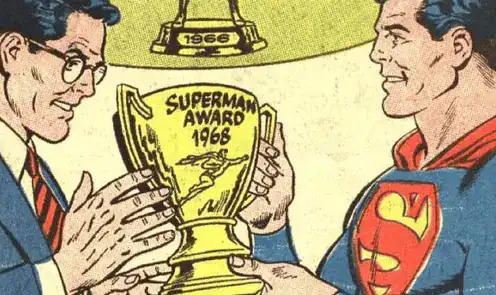
BEST HERO
Winner: Superman, Superman #162
I’m not a fan of the “Superman Red – Superman Blue” story, but you can’t argue with the results when Superman solves all crimes and cures all illnesses.
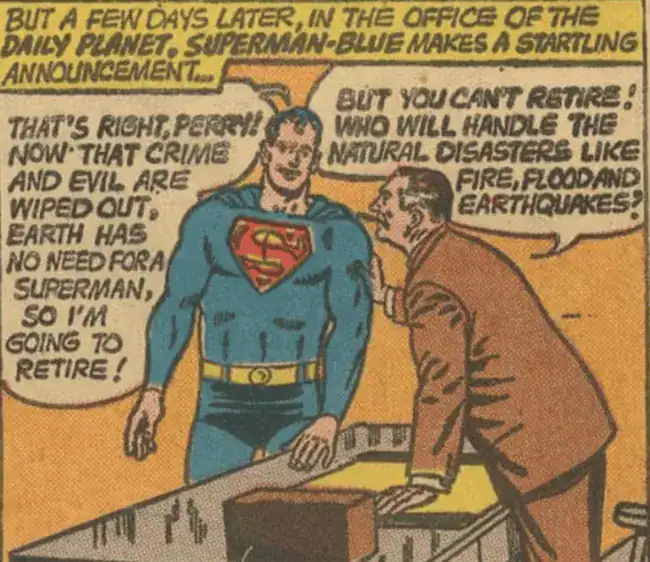
Runner-up: Superman, Action Comics #333
Saves the day, recognizes Luthor is only a force for good on Lexor, and arranges things so that he can stay there getting all the praise.
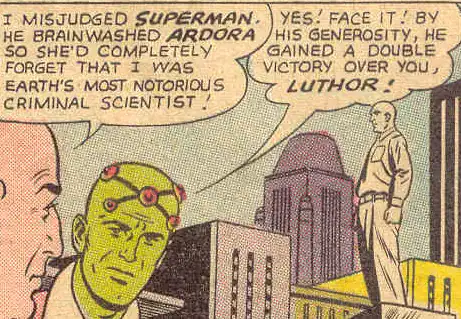
Third place: Superman, Action Comics #107
The length he goes to make sure the rich pay their fair due is almost as unbelievable as the fact that it works.
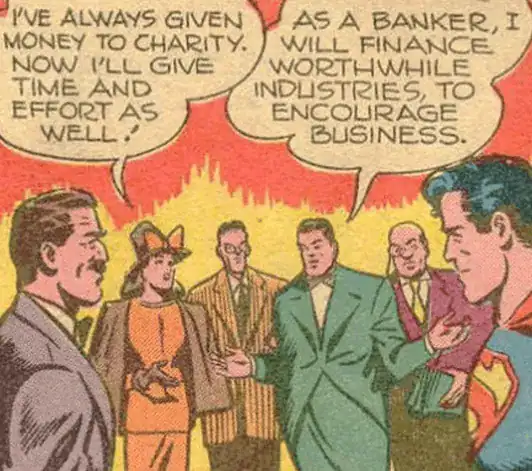
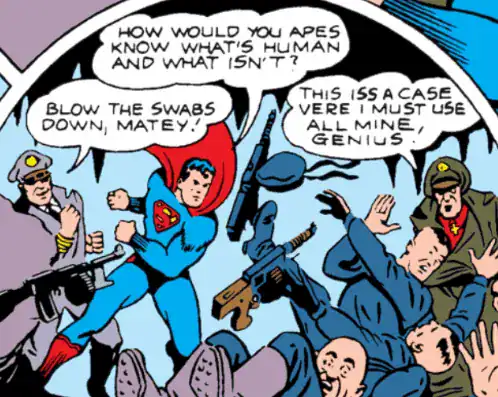
Honorable mention: Superman, Action Comics #62
Sometimes you just need to see someone punch Nazis.
WORST HERO
Winner: Superboy, Action Comics #393
Mister “what’s the point of helping those in need”.
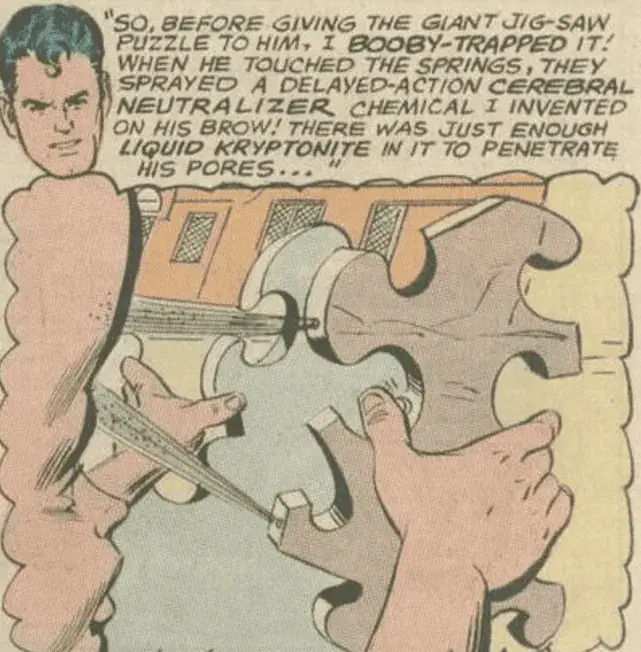
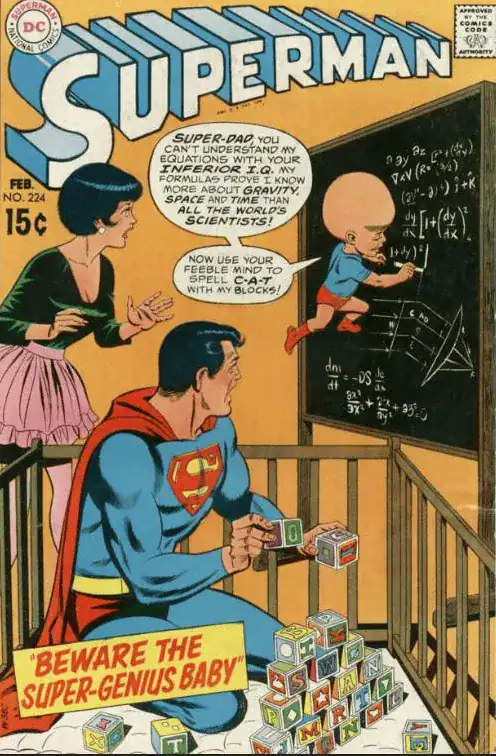
Runner-up: Superman, Superman #224
Poisoning his own son to reduce his intelligence.
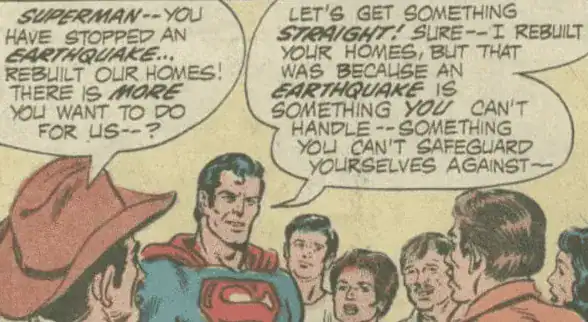
Third place: Superman, Superman #247
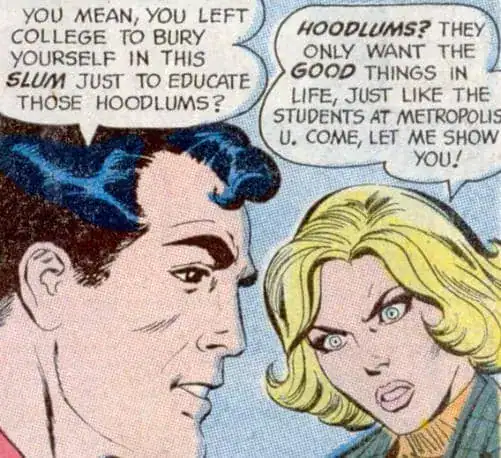
Save people from earthquakes? Heroic. Helping the weak from being exploited and bullied by unfair employers? Eh, that’s too much to ask.
Dishonorable mention: Superman, Superman #126
You really had nothing better to do?
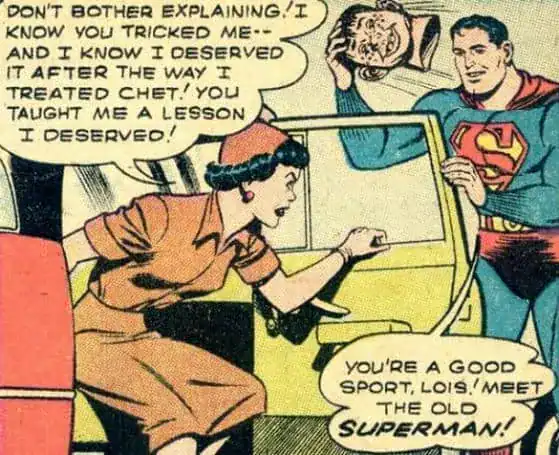
MOST RANDOM SUPERMAN POWER
Winner: telepathy, Superman #45
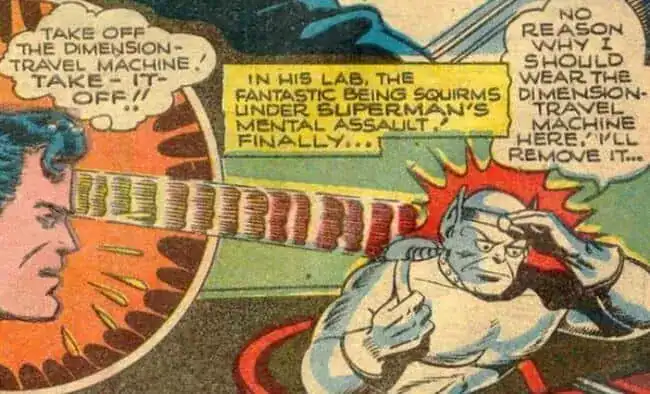
Runner-up: shapeshifting, Superman #45 AGAIN
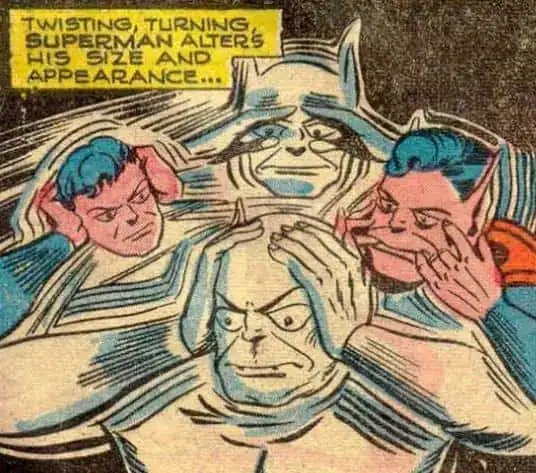
Third place: super-singing, Action Comics 124
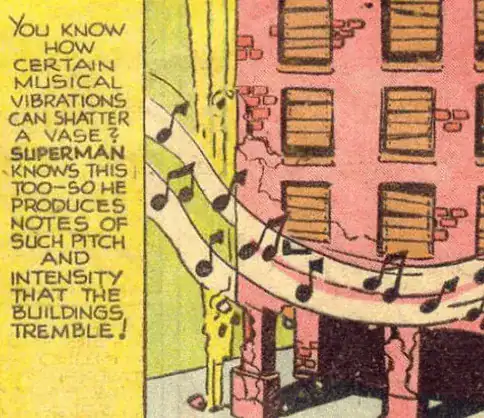
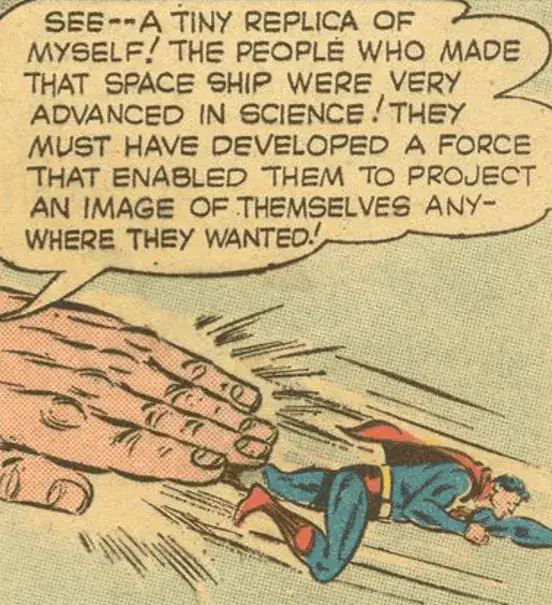
Honorable mention: miniature clone generation, Superman #125
BEST NON-SUPERMAN COSTUME
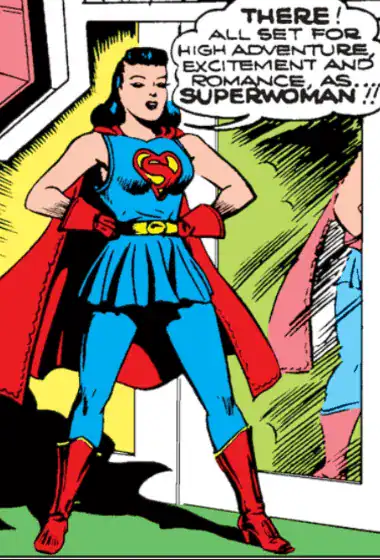
Winner: Superwoman, Action Comics #60
Aside from the goofiness of having the S symbol inside a heart, this isn’t a bad design.
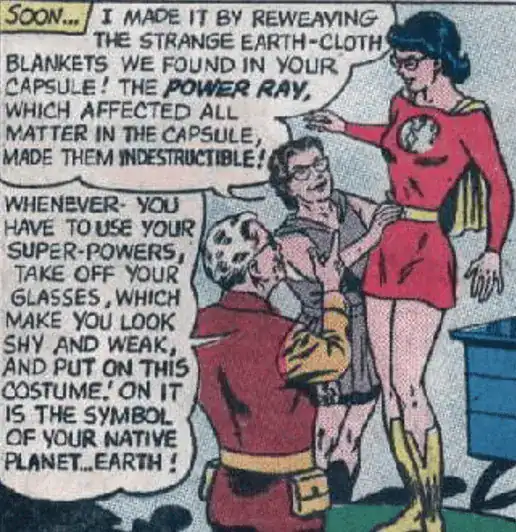
Runner-up: Supermaid, Superman #159
A little more Mary Marvel than Supergirl, but not a bad design.
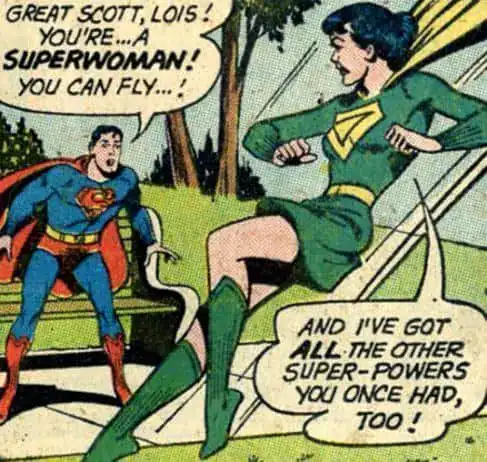
Third place: Superwoman, Action Comics #274
Derivative, but I’ve seen much worse.
BEST VILLAIN
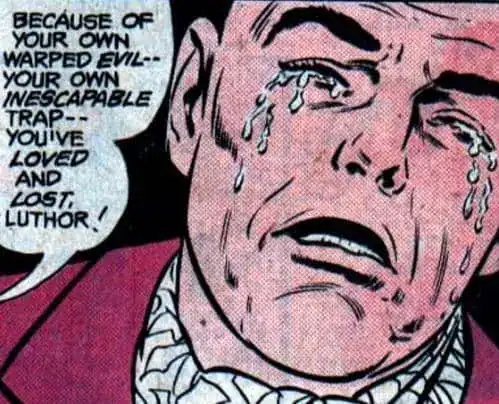
Winner: Lex Luthor, Action Comics #512
If we measure the best villain by how much a story makes you hate his guts, there’s no competition.
Runner-up: Vandal Savage, Action Comics #543
The prototype for my favorite version of Lex Luthor.
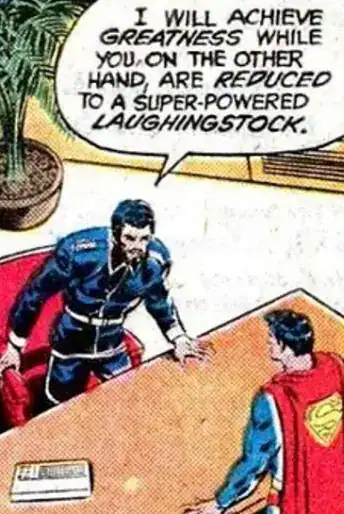
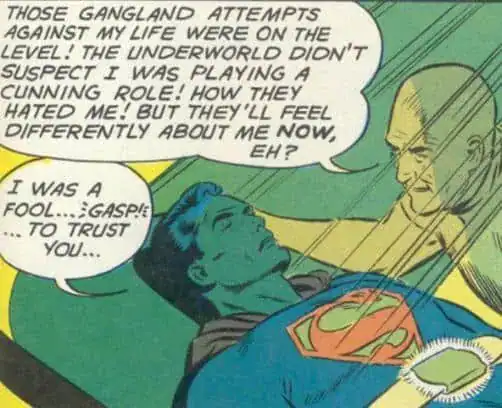
Third place: Lex Luthor, Superman #149
The first one to successfully murder Superman.
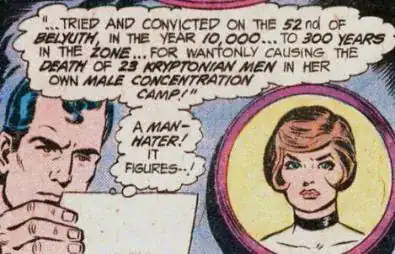
Honorable mention: Faora, Action Comics #472
Too bad she’s been mostly merged with Ursa over the years and adaptations, therefore being stuck in the shadow of General Zod. I think she could make for a terrific solo villain.
WORST VILLAIN
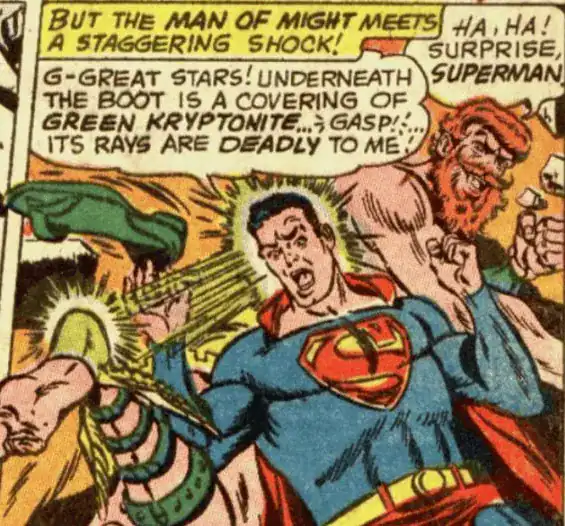
Winner: Zha-Vam, Action Comics 351-353
He’s incredibly dumb, incredibly inconsistent, he REALLY overstays his welcome, and don’t even get me started on the kryptonite sock.
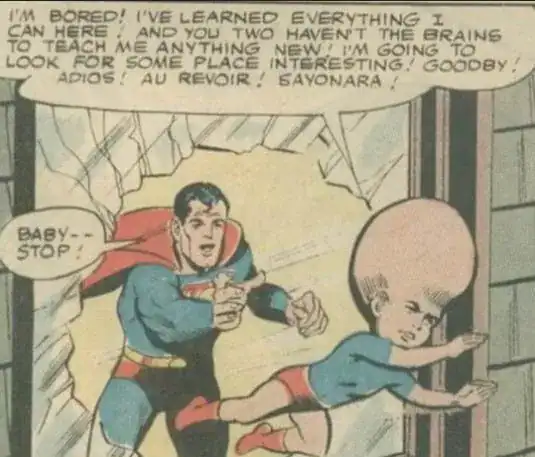
Runner-up: Super-Brat, Superman #224
Do I even have to say anything?
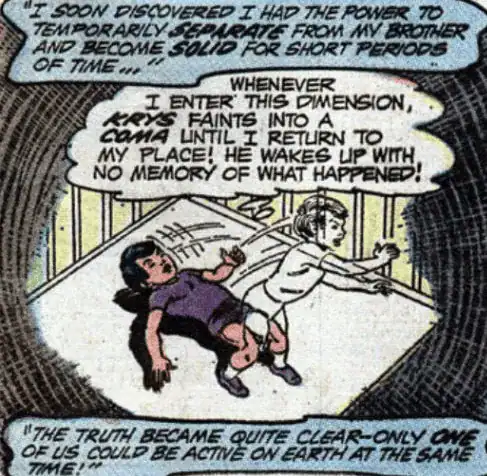
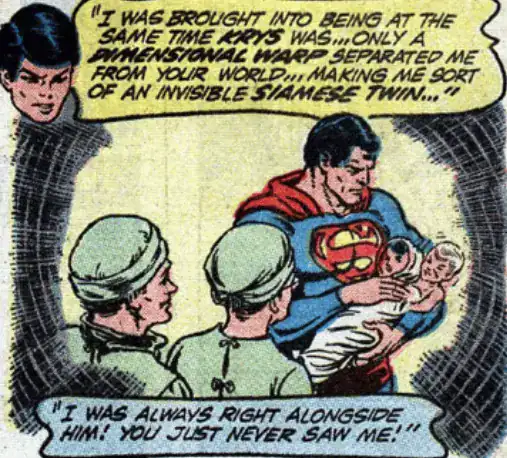
Third place: invisible half-Kryptonian half-demon kid invisible siamese twin, Action Comics 410
Technically speaking he doesn’t get a name.
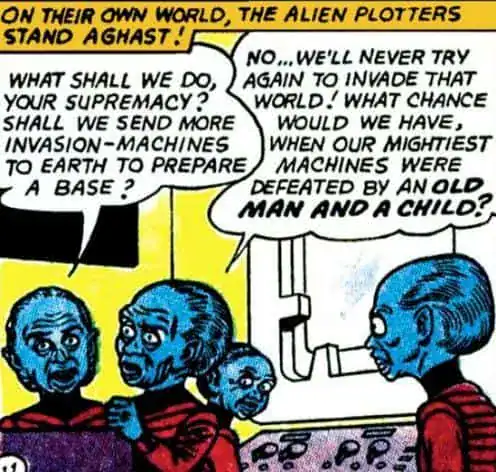
Dishonorable mention: Legally Not The Guardians Of The Universe, Action Comics #327
At least you guys admit that you suck.
BEST STORY
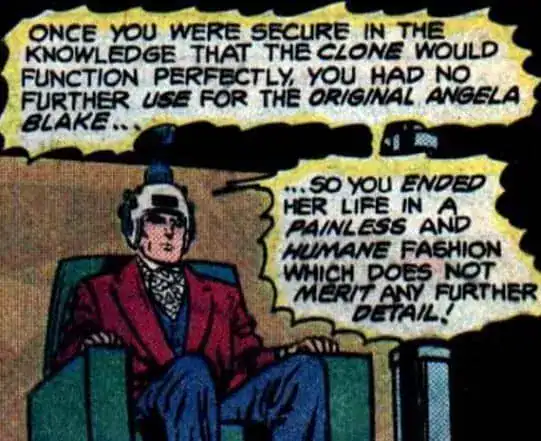
Winner: Action Comics #512
The saga as a whole has a lot of problems. But I will never forget the chill down my spine by the description of how Lex Luthor killed his own wife.
That “does not merit any further detail” might be the most monstrous thing he’s ever done.
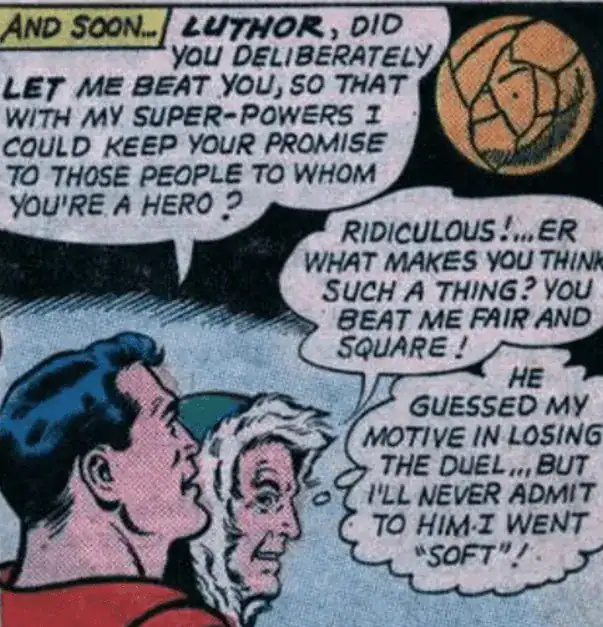
Runner-up: Superman #164
The first Lexor story is something to behold.
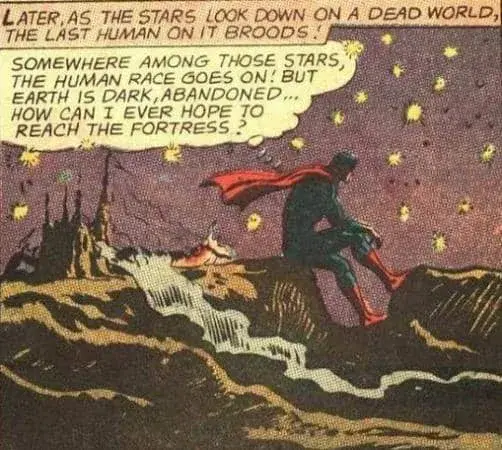
Third place: Action Comics #300
Superman having to survive a post-apocalyptic Earth without powers was quite compelling.
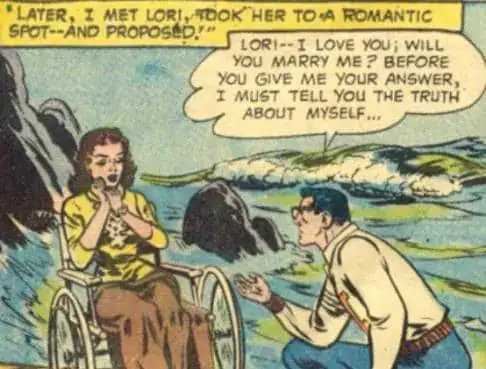
Honorable mention: Superman #129
A beloved classic for a reason.
WORST STORY
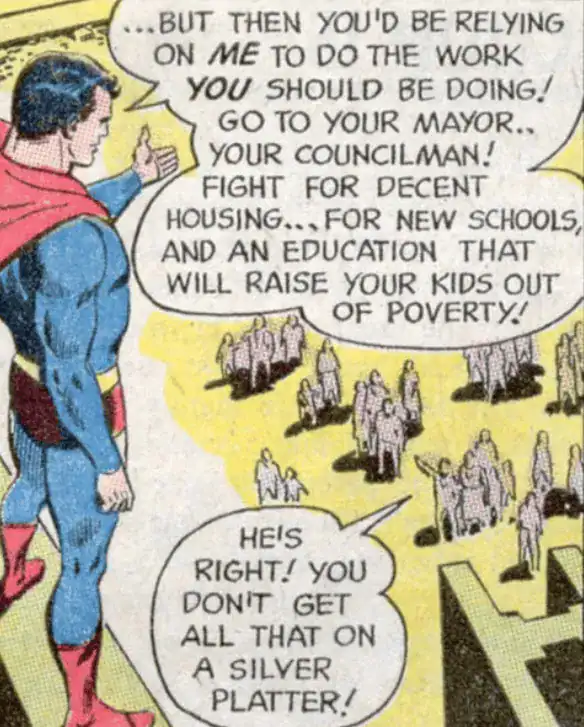
Winner: Action Comics #393
“Helping those in need is useless because they need to learn how to help themselves” might just be the least Superman moral ever.
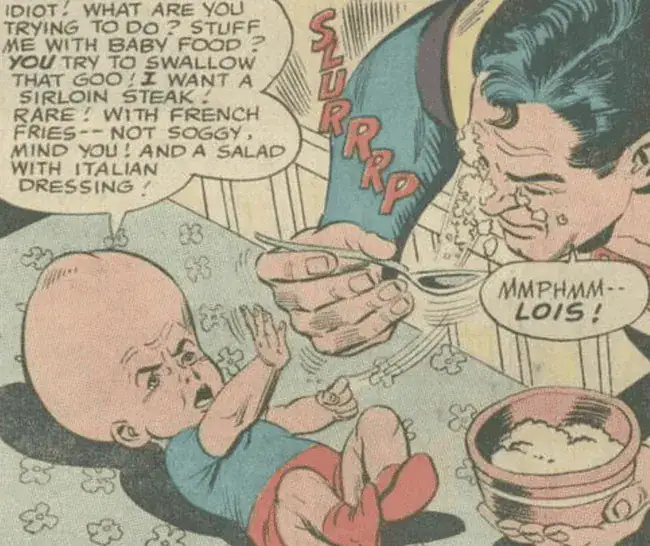
Runner-up: Superman #224
How did human civilization fall so low to produce this thing?
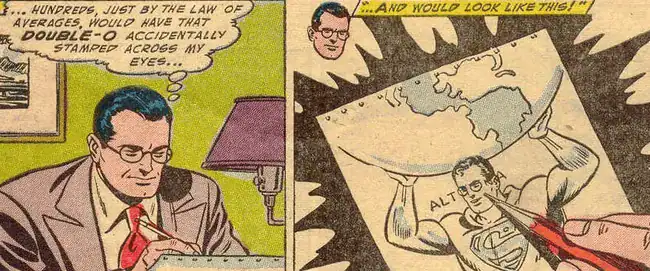
Third place: Superman #91
The plot revolves around Superman doing everything he can to avoid a specific picture is used for a stamp in the incredibly unlikely possibility that it would compromise his secret identity.
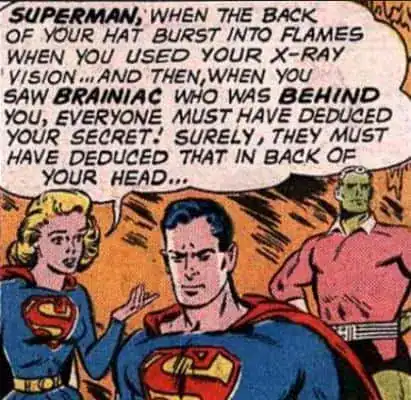
Dishonorable mention: Action Comics #275
The story that focuses almost exclusively on Superman changing his personality whenever he puts on a hat SOMEHOW turns into an even dumber Red Kryptonite story.
Best worst story: Action Comics #263
Me am confused if this is good bad story or bad good story.
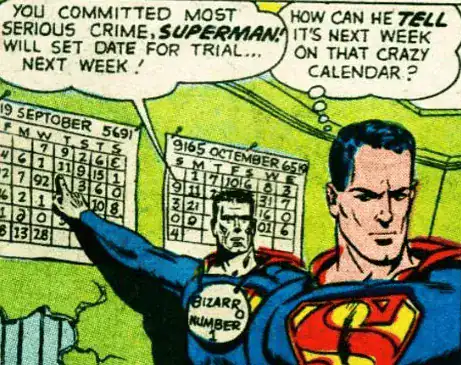
MOST FORCED RETURN TO THE STATUS QUO
Winner: Superman #299
The series had just done a masterful job to grow Clark Kent as a character, only to throw everything away at the very end for no reason.
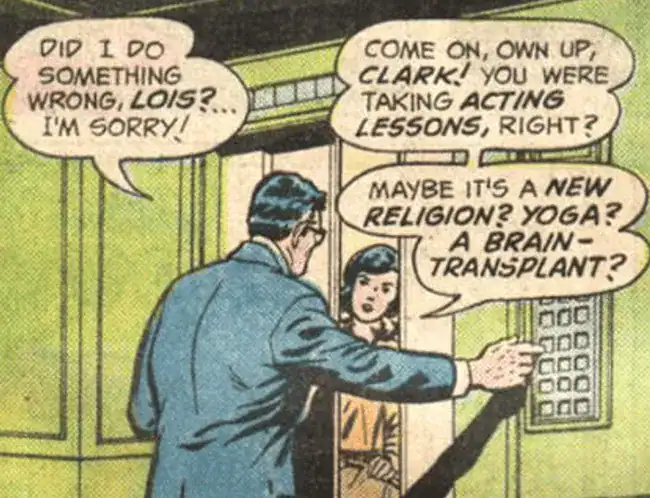
Runner-up: Superman #159
Notable because it didn’t even NEED to return to the status quo, it’s an Imaginary Tale. And yet they STILL had to depower Lois and randomly give her powers to Kal-El.
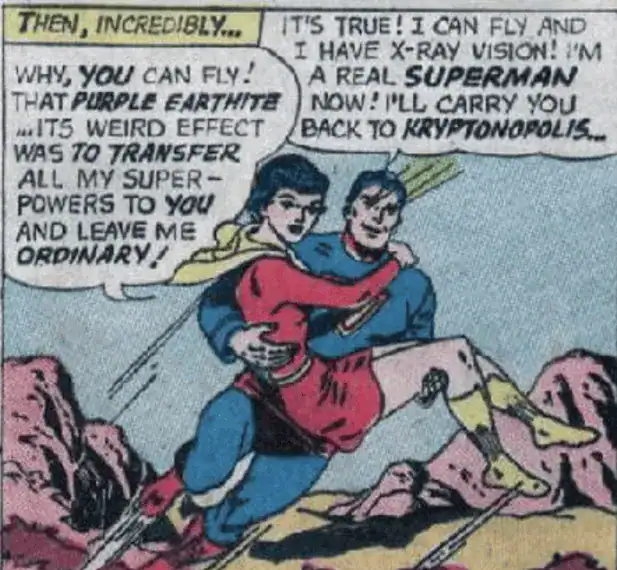
Dishonorable mention: Action Comics #556
Everyone was expecting Superman to regain the trust of the people, but did it have to be at the expense of making Vandal Savage an idiot?
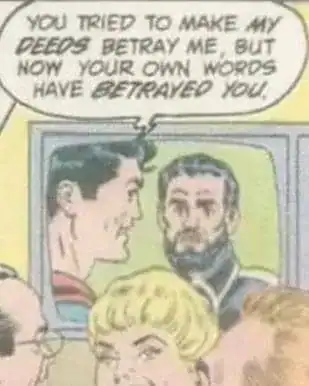
WORST AGED STORY
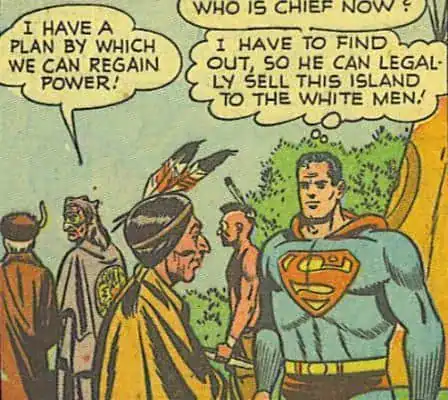
Winner: Action Comics #148
The plot is “Superman goes back in time to make sure Native Americans sell their land to white people”.
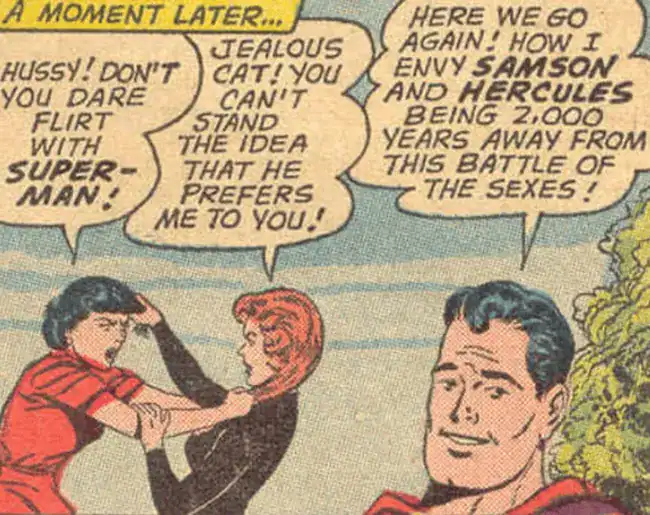
Runner-up: Action Comics #279
How our species survived the 1960s remains a mystery.
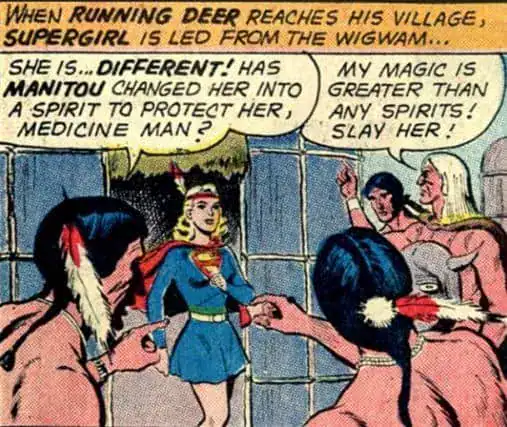
Third place: Action Comics #274
I’m sensing a theme here.
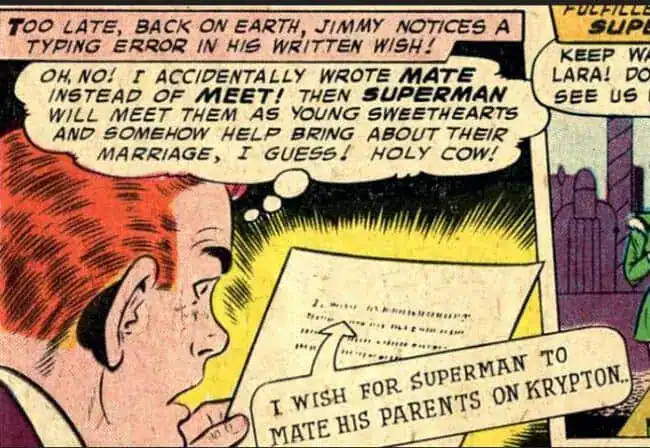
Dishonorable mention: Superman #123
That premise would lead to a WILDLY different story today.
MOST SILVER AGE PANEL
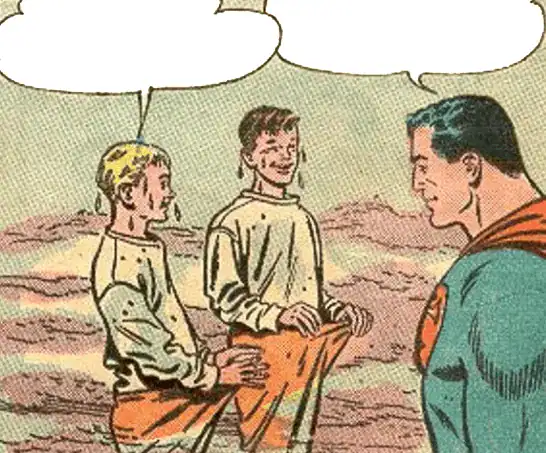
MOST MEME-WORTHY PANEL
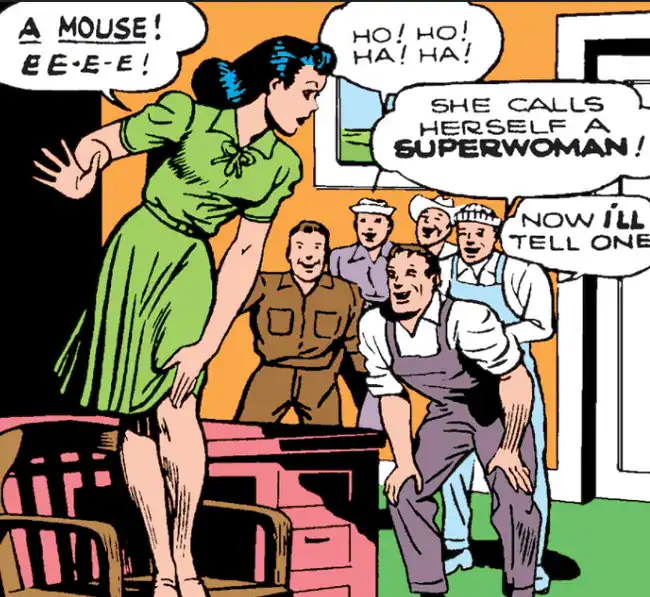
MOST 1940s PANEL
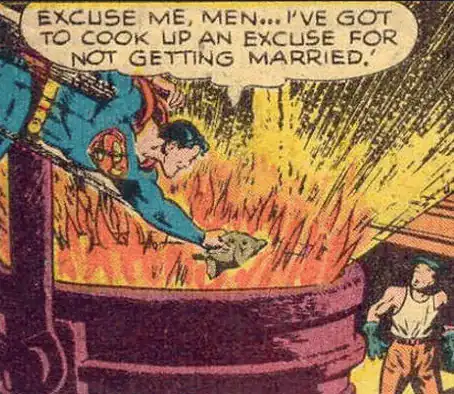
MOST “SUBTLETY IS FOR THE WEAK” PANEL
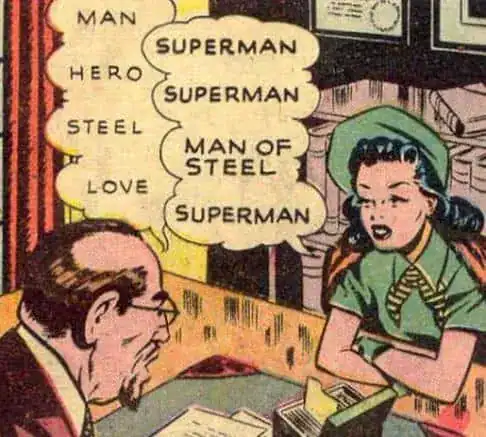
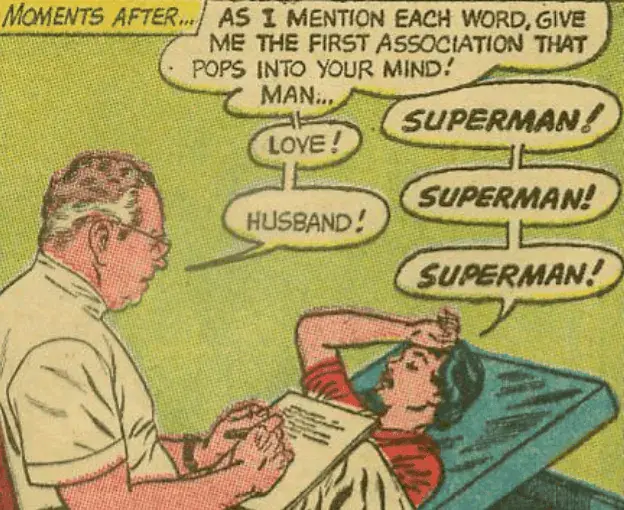
LEAST HEALTHY RELATIONSHIP
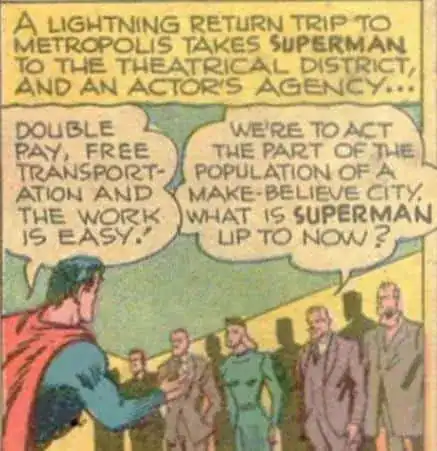
BEST ACTING GIG
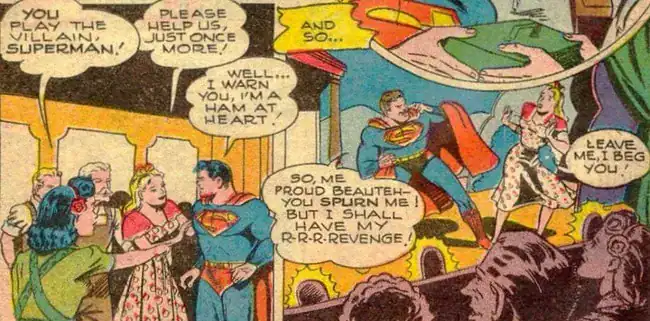
WORST ACTING GIG
BEST MULLET
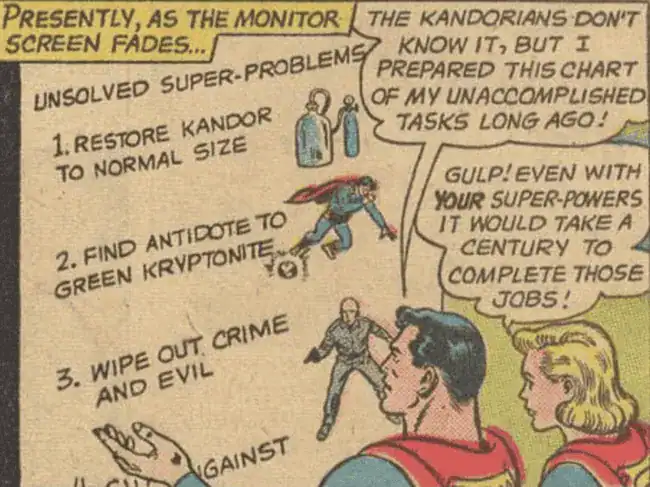
MOST AMBITIOUS AGENDA
BEST ALIEN DESIGN
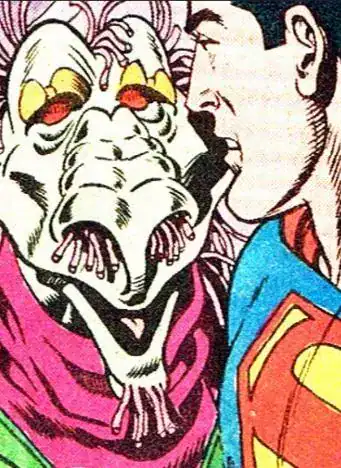
WORST ALIEN DESIGN
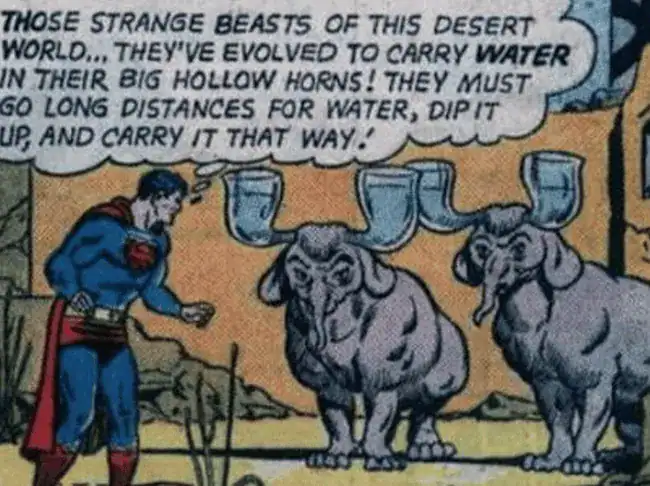
MOST CONFUSING ALIEN DESIGN
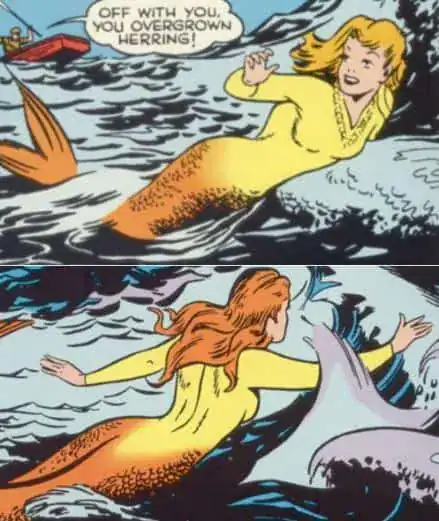
Okay she’s not an alien, but how do the clothes of the mermaid from Superman #14 work? Do her clothes merge into the tail, is that a second layer of scales that she wears like they were clothes, or what?
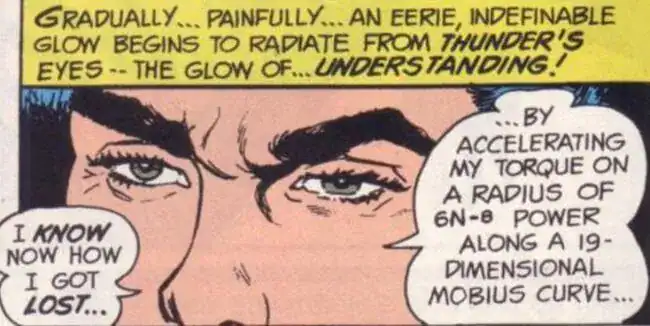
BEST TECHNOBABBLE
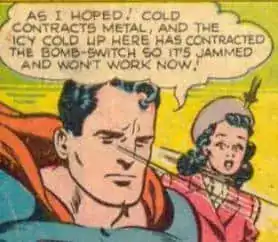
WORST TECHNOBABBLE
WORST SENSE OF SCALE
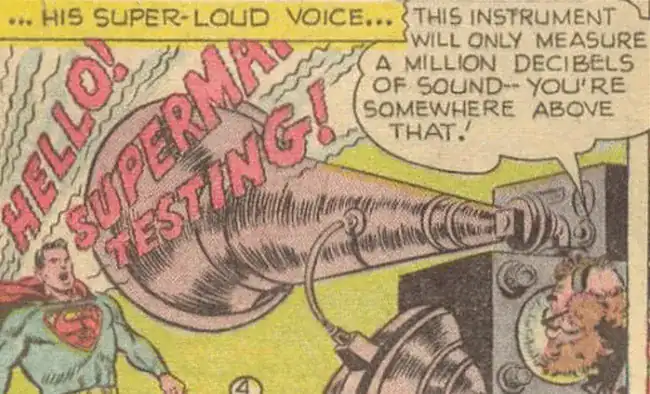
A million decibels is such an absurdly high value that I couldn’t figure out a way to even remotely approach how impossible it is.
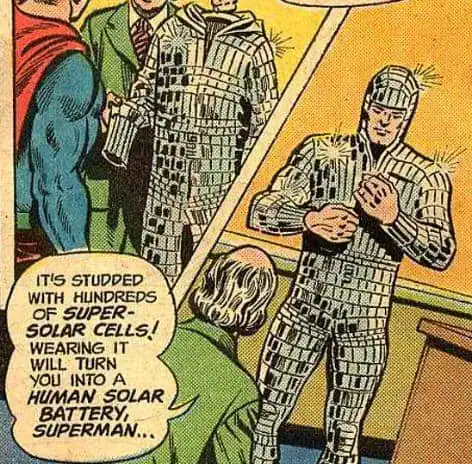
MOST DISCO PANEL
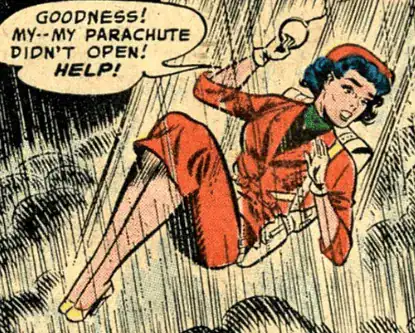
MOST LOIS LANE PANEL
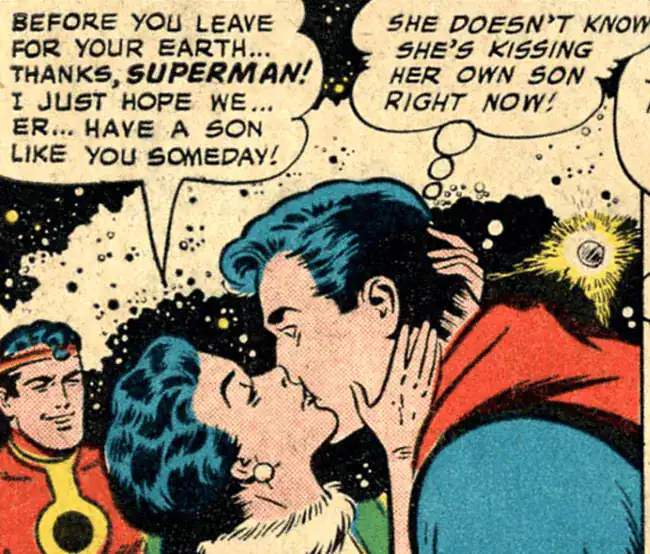
MOST INCESTUOUS PANEL
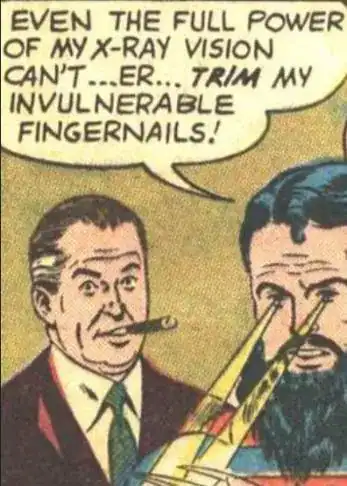
BEST REACTION SHOT
WORST REACTION SHOT
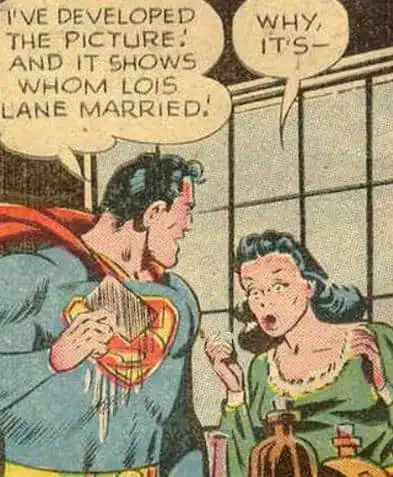
MOST PATRIOTIC PANEL
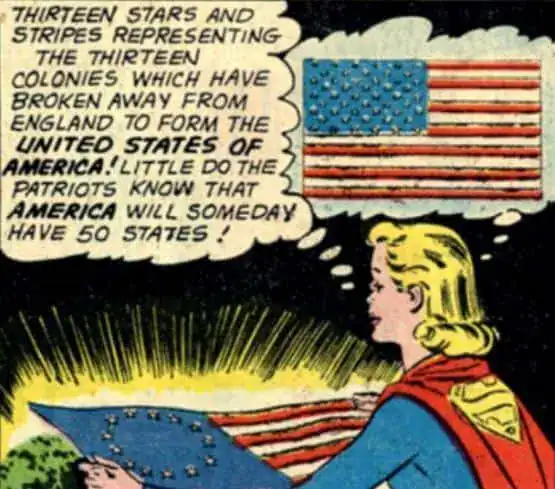
MOST FANSERVICE PANEL
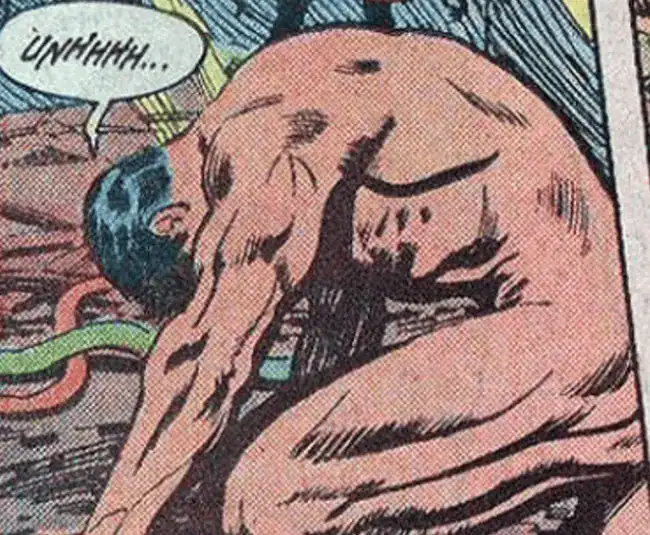
BEST GROWTH OF A SPINE
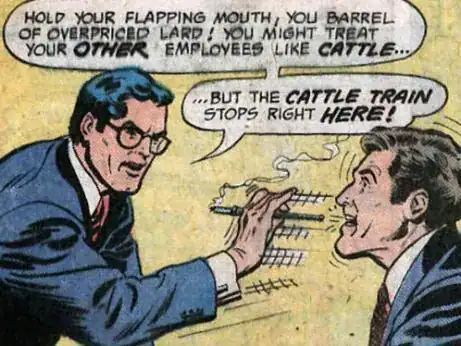
WORST LOSS OF A SPINE
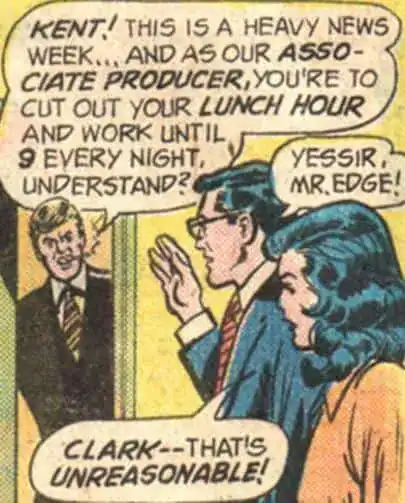
BEST PANEL
How a single panel can tell an entire story.
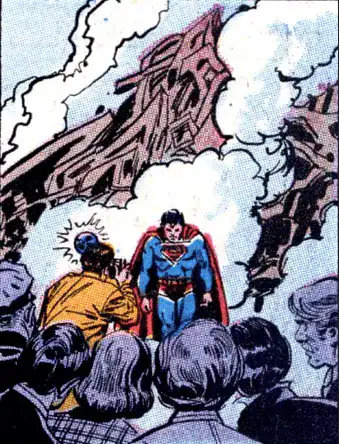
WORST PANEL
Without context, it’s not that bad. But if you’ve read Superman #247, this is horrible.
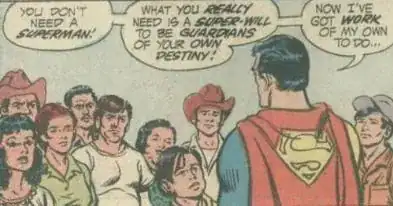
MOST DEPRESSING PANEL
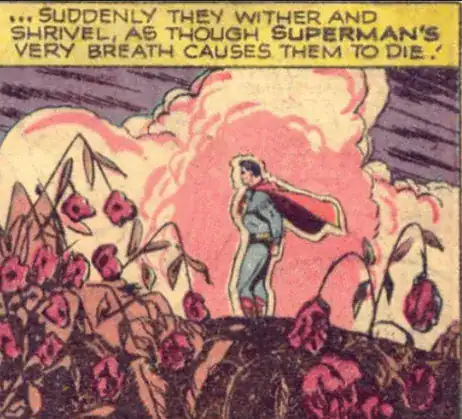
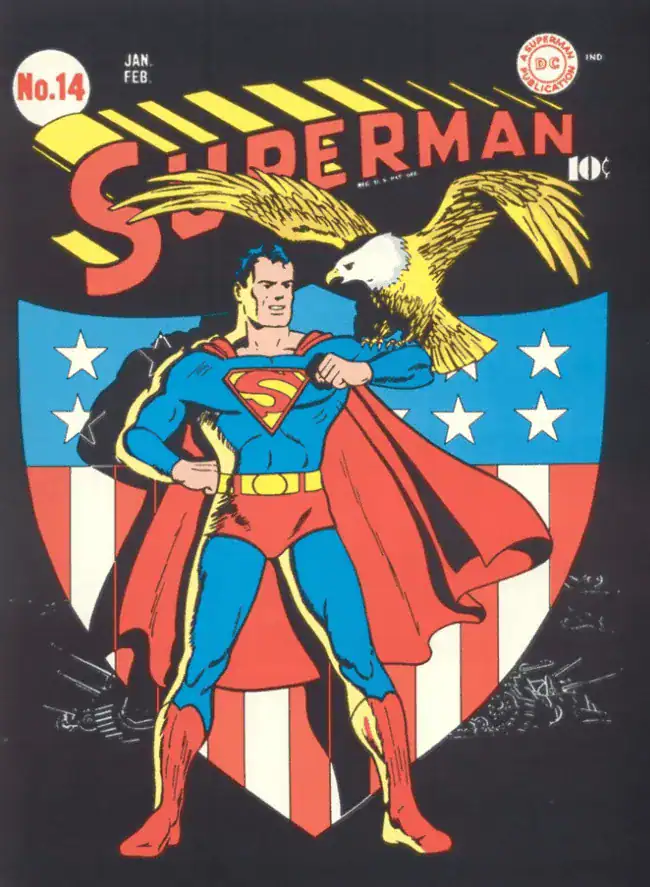
BEST COVER
WORST COVER
And that’s ALMOST a wrap on Superman. Because as requested in the comments, we will have a look at the World of Krypton miniseries.